Loyalty Day is celebrated annually on May 1 in the United States to reaffirm loyalty to the country and acknowledge American history and freedom. It was established during heightened anti-communist sentiment, particularly during the Second Red Scare, as a counter to International Workers’ Day, which is observed globally on the same date.
History of Loyalty Day
- Origins: “Americanization Day” was first promoted in 1921 to counter the growing influence of communism and labor movements in the U.S. following the Russian Revolution.
- Renaming and Official Recognition: The name was changed to Loyalty Day in the late 1940s, and it became an officially recognized holiday in 1958, during the presidency of Dwight D. Eisenhower.
- Purpose: The day serves as a platform to promote patriotism and loyalty to the United States, emphasizing American values and freedom.
Celebrations and Observances
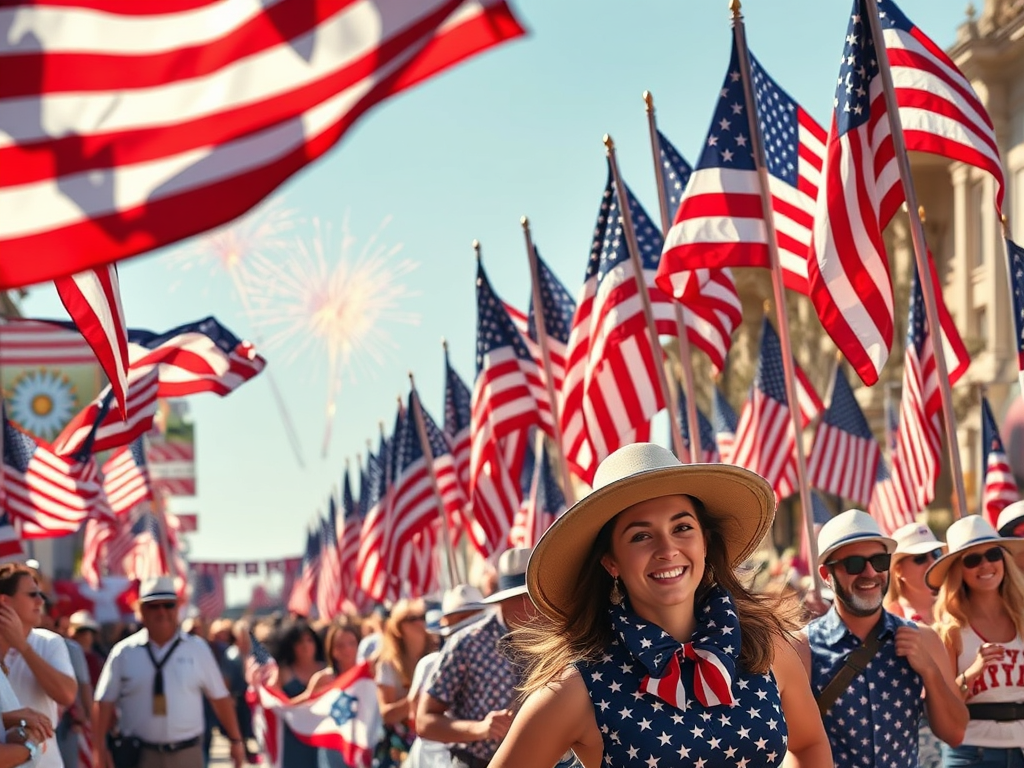
- Parades and Ceremonies: Loyalty Day is often marked with parades, flag displays, and patriotic ceremonies across the country.
- Presidential Proclamations: Every U.S. president since 1955 has proclaimed to observe Loyalty Day, encouraging Americans to reflect on their heritage and display the American flag.
- A decline in Popularity: Despite its official status, Loyalty Day’s popularity waned over time, especially following the Vietnam War, as public sentiment shifted away from overt displays of patriotism tied to anti-communist sentiments.
Significance
- Anti-Communist Roots: Loyalty Day was created as a direct response to the perceived threat of communism, aiming to reinforce American values and loyalty.
- Patriotism and Freedom: It celebrates American freedom and the sacrifices made by those who have defended it, including military veterans and civil rights activists.
By observing Loyalty Day, Americans reaffirm their commitment to the nation’s principles and honor those who have contributed to its history and freedom.
 Patriotic Fun Zone