
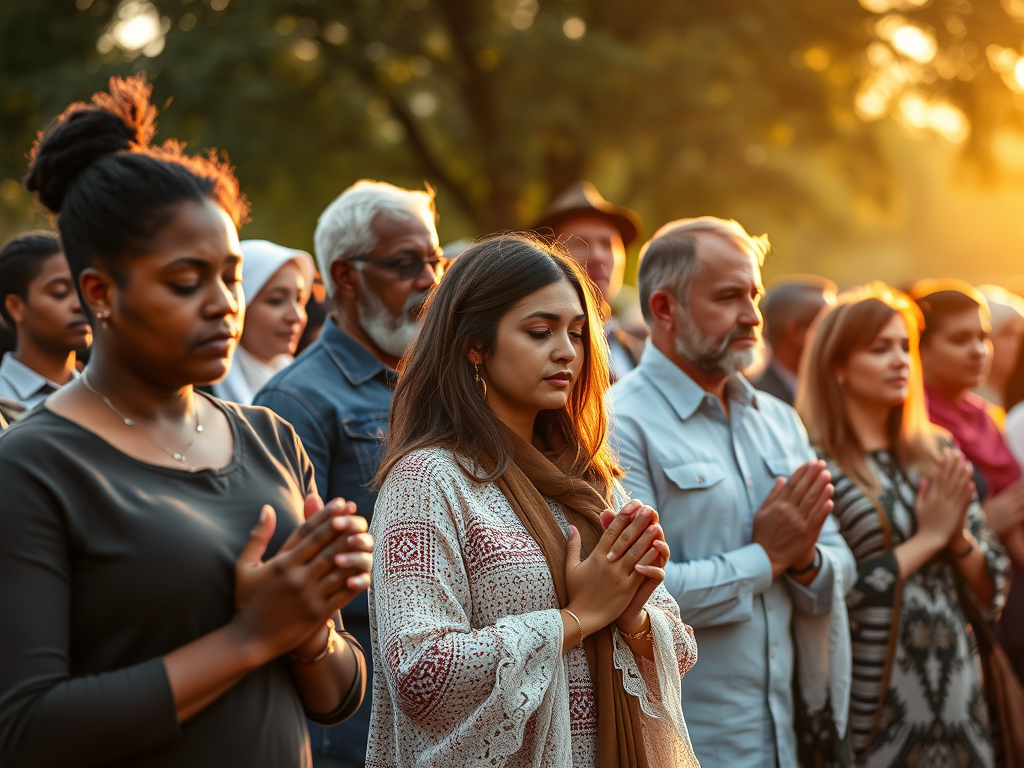
The USA National Day of Prayer is an annual observance held on the first Thursday of May, inviting people of all faiths to pray for the nation. It is a federally recognized day, established by Congress and signed into law in 1952, intending to encourage Americans to turn to God in prayer and meditation, individually and collectively.
History
- Colonial Roots: The tradition of national days of prayer in America dates back to the Continental Congress in 1775, which called for a day of public prayer as the colonies sought wisdom in forming a new nation. President John Adams made similar proclamations in 1798 and 1799, and President Abraham Lincoln made similar proclamations during the Civil War.
- Modern Establishment: In 1952, prompted by a movement led by religious leaders such as Billy Graham, Congress passed a joint resolution for an annual National Day of Prayer. President Harry S. Truman signed it into law, initially without a fixed date.
- Current Date: In 1988, the law was amended and signed by President Ronald Reagan, designating the first Thursday in May as the permanent date for the observance
Observance
- Who Participates: The day is inclusive, inviting Americans of all faiths and backgrounds to participate. While it is often associated with Judeo-Christian traditions, people of many religions—including Christians, Jews, Muslims, Hindus, and others—join in prayer and meditation.
- How It’s Observed: Activities include gatherings at courthouses, state capitols, churches, mosques, synagogues, temples, and even homes. Events may feature group prayers, interfaith services, luncheons, picnics, and musical performances. Many people also observe privately.
- Official Proclamations: Each year, the President of the United States issues a proclamation encouraging Americans to observe the day. Governors of all 50 states typically issue similar proclamations.
Purpose and Significance
- Mission: The National Day of Prayer aims to mobilize unified public prayer for America, seeking guidance, wisdom, and blessings for the nation and its leaders
- Cultural Importance: It is considered a vital part of American heritage, reflecting the historical role of faith and prayer in the nation’s development. Like Thanksgiving, it is now a national observance marked on calendars and widely recognized nationwide.
- Participation: The day unites Americans from diverse backgrounds, with millions participating in thousands of events nationwide.
Legal and Social Context
- Legal Status: The National Day of Prayer is mandated by federal law (36 U.S.C. § 119), requiring the President to issue an annual proclamation.
- Controversy: The day has faced legal challenges on constitutional grounds, but courts have dismissed these cases, leaving the observance intact.
 Patriotic Fun Zone