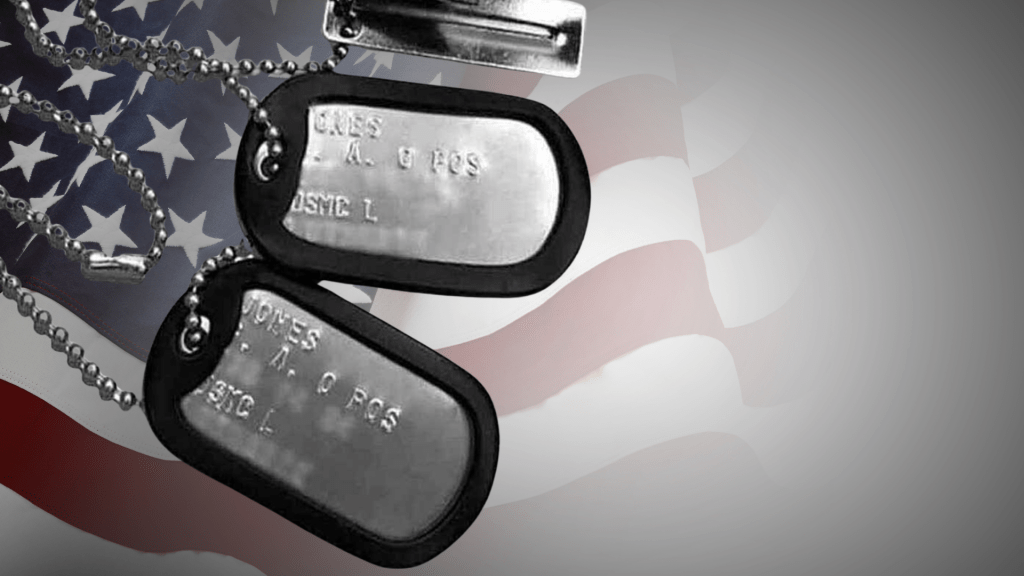
National POW/MIA Recognition Day is a solemn annual observance in the United States dedicated to honoring and remembering American service members who were prisoners of war (POWs) and those who are still missing in action (MIA). The day underscores the nation’s commitment to account for every service member who has not returned home and to recognize the sacrifices and resilience of those who endured captivity.
Date and Observance
- When: National POW/MIA Recognition Day is observed on the third Friday of September each year. In 2025, it will be observed on September 19.
- How: Ceremonies are held at military installations, veterans’ organizations, national landmarks (such as the Pentagon and the National Mall), and local communities nationwide. These events often include wreath-laying, moments of silence and speeches from military leaders and veterans.
- Flag: The POW/MIA flag, created by the National League of Families in 1972, is a central symbol of the day. It features the silhouette of a man, a watchtower, barbed wire, and the motto “You Are Not Forgotten.” The flag is displayed at federal buildings, military sites, and homes to symbolize the nation’s resolve never to forget POWs or those missing in action
Purpose and Significance
- The day serves to honor those who were held captive and returned, as well as those who remain missing.
- It reflects the ongoing national commitment to seek full accountability for POWs and MIAs, ensuring their stories are not forgotten and their families are supported.
- The Defense POW/MIA Accounting Agency continues to search for and identify missing service members from past conflicts, fulfilling the nation’s promise to leave no service member behind
Historical Context
- National POW/MIA Recognition Day was first established in 1979 by a proclamation from President Jimmy Carter, following advocacy from families of Vietnam War POWs and MIAs.
- The date was originally variable but has been observed on the third Friday in September since 1986.
- The day is not tied to any specific war but is most closely associated with the Vietnam War due to the large number of unaccounted-for personnel from that conflict.
Ways to Observe
- Attend or participate in local or national ceremonies.
- Fly the POW/MIA flag at your home, workplace, or community center.
- Learn about the history and experiences of POWs and MIAs, and share their stories to raise awareness.
- Support organizations dedicated to locating and identifying missing service members.
- Write letters of support to families of POWs and MIAs or to veterans who endured captivity.
- National POW/MIA Recognition Day is a powerful reminder of the sacrifices made by American service members and the nation’s enduring promise: “You Are Not Forgotten.”
- Participation: The day unites Americans from diverse backgrounds, with millions participating in nationwide events.
Legal and Social Context
- Legal Status: The National Day of Prayer is mandated by federal law (36 U.S.C. § 119), requiring the President to issue an annual proclamation.
- Controversy: The day has faced legal challenges on constitutional grounds, but courts have dismissed these cases, leaving the observance intact.
 Patriotic Fun Zone