
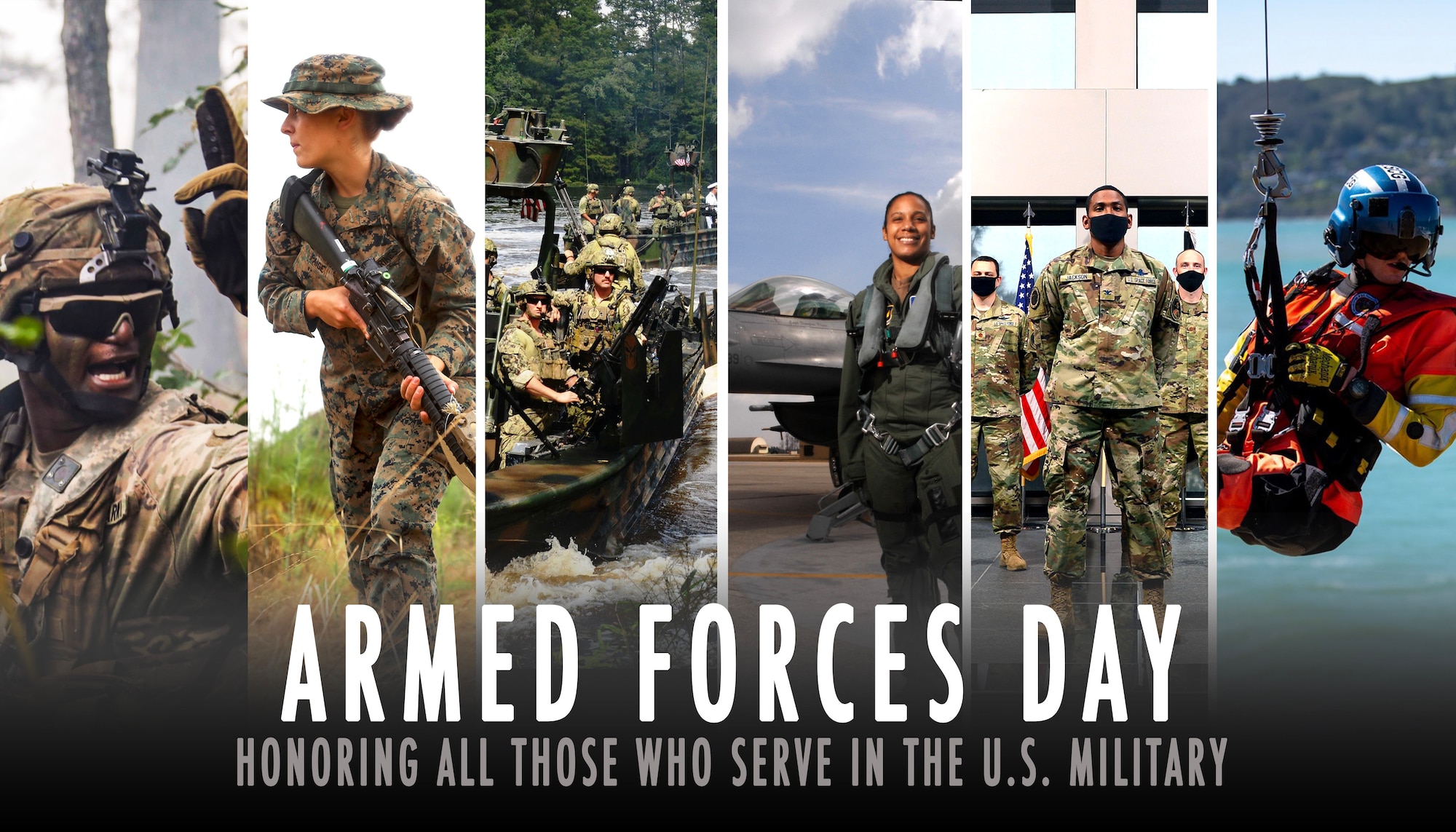
Across all branches, there are common themes in their values and missions:
- Integrity and honor
- Commitment to service and duty
- Courage and personal sacrifice
- Excellence in performance
- Defense of the nation and its interests
- Upholding freedom and justice
These values and missions guide the actions of service members, fostering a strong sense of purpose and dedication to their roles in protecting and serving the United States.





How Can I Honor Persons in the Military
Honoring military service members is a powerful way to show gratitude for their sacrifices and commitment to our country. You can express your thanks with a simple “thank you” when you meet a service member, send care packages to those deployed, or volunteer with veterans’ organizations. Each gesture matters. Showing patriotism by flying the American flag or attending events like Veterans Day parades supports the brave men and women who protect our freedoms. You can also help by donating to trustworthy military charities or sponsoring local recognition events. These actions can make a real difference in the lives of active-duty personnel and veterans. By taking these steps, we recognize their service and create a culture of appreciation that goes beyond just words.
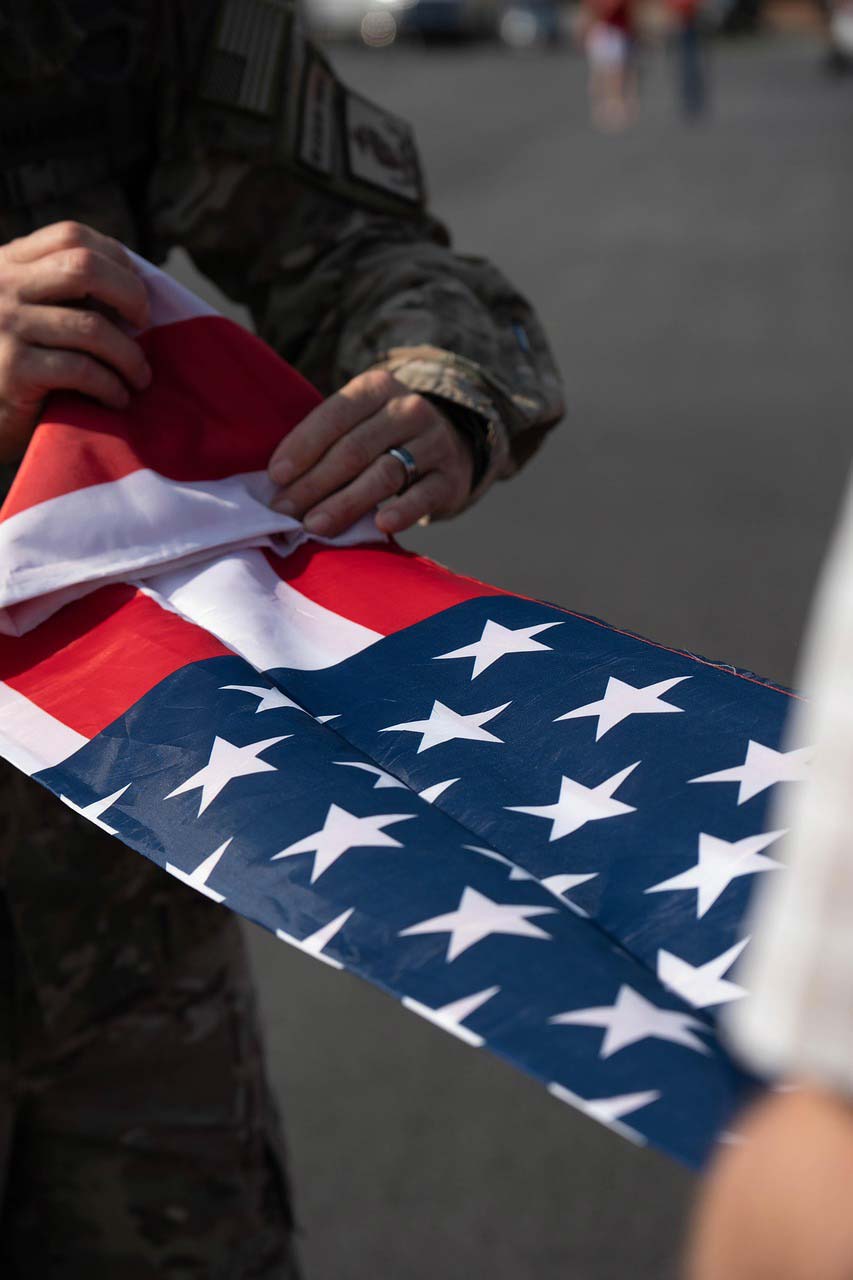
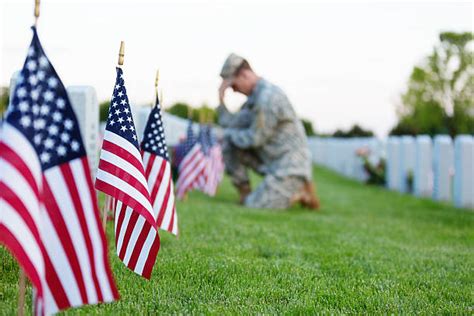
Armed Forces’ Day, Veteran’s Day, and Memorial Day, whats the difference?
Understanding the distinct purposes behind Armed Forces Day, Veterans Day, and Memorial Day is essential.
- Armed Forces Day, celebrated on the third Saturday in May, honors the active duty personnel currently serving in the military, highlighting their roles and contributions.
- Veterans Day, observed on November 11, is a tribute to all living and deceased veterans who have served in the U.S. Armed Forces, emphasizing gratitude for their sacrifices.
- Memorial Day, held on the last Monday in May, is a solemn remembrance of those who have sacrificed to serve their country.
What Are The Reserves?
The United States Armed Forces have seven reserve components, divided into two categories: regular reserves and National Guard.
The regular reserves consist of:
- Army Reserve
- Navy Reserve
- Marine Corps Reserve
- Air Force Reserve
- Coast Guard Reserve
The National Guard components are:
- Army National Guard
- Air National Guard
These reserve components serve to augment the active duty military when necessary, providing trained units and qualified personnel for active duty in times of war, national emergency, or when national security requires1. They typically perform a minimum of 39 days of military duty per year.
The primary distinction between the regular reserves and the National Guard lies in their command structure:
- Regular Reserves are subordinated to the federal government
- National Guard units are primarily under state control, reporting to their respective governors, unless federally activated1
This unique arrangement allows National Guard units to assist in disaster relief and law enforcement within their states, as they are not subject to the restrictions of the Posse Comitatus Act when under state jurisdiction.
The reserve components are further organized into readiness categories:
- Ready Reserves: Includes units and individuals liable for immediate recall to active duty
- Selected Reserves: A subcategory of the Ready Reserve, deemed essential for initial wartime missions
The Army Reserve alone comprises nearly 190,000 Soldiers and 11,000 Civilians, present in all 50 states, five U.S. territories, and deployed to 23 countries worldwide. It provides critical capabilities such as maneuver support, sustainment, and specialized units essential for military operations.
The reserve components play a vital role in the U.S. military structure, providing cost-effective additional capacity and specialized skills to support the Total Force in joint, multi-domain operational environments
 Patriotic Fun Zone